Rocky Mountain Voice

Tag: Beef prices

Greeley Plant Workers Head Back To Work Amid Ongoing Labor Dispute
DENVER7, Approved, Local

Greeley Plant Workers Head Back To Work Amid Ongoing Labor Dispute

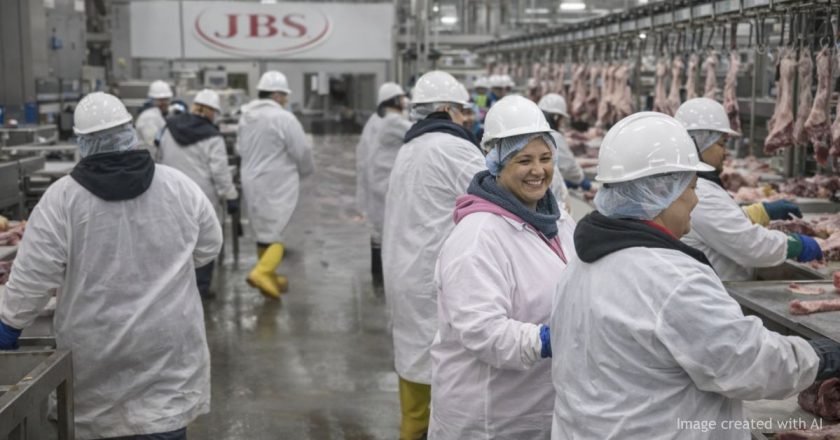
By: The Associated Press | Denver7 Workers at the Greeley JBS meatpacking plant, one of the nation's largest, have agreed to return to work and halt a three-week strike after plant owner JBS USA agreed to resume negotiations, labor union representatives announced Saturday. The strike by thousands of workers at the Swift Beef Co. plant began on March 16 in coordination with the United Food and Commercial Workers Local 7 union in a bid for higher wages and better health care. The strike came as U.S. cattle numbers hit a 75-year-old low this year, a decline driven in part by drought and low prices offered to ranchers. Meanwhile, beef prices have soared to record levels, adding to economic anxiety in the U.S. The union said in a statement that workers will return to...
JBS Labor Dispute in Greeley Could Complicate Beef Markets Beyond Colorado
DENVER7, Approved, Local

JBS Labor Dispute in Greeley Could Complicate Beef Markets Beyond Colorado

By Jessica Porter | Denver7 The plant which processes up to 6,000 heads of cattle per day will impact the beef supply chain. GREELEY, Colo. — The impact of the JBS meatpacking plant strike on consumer beef prices is imperceptible in the short term, but the long-term impact is more complicated. About 3,800 workers at JBS Beef in Greeley walked off the job Monday as the union claimed the company retaliated against workers and committed unfair labor practices. The beef production facility processes between 5,000 and 6,000 head of cattle per day. “In the short term, the impact of the consumer level is probably pretty small, negligible, maybe not even present whatsoever, but if this continues, supply and demand will play out, and it's almost unavoi...
U.S. Dairy Industry Faces Tight Herd Numbers Until 2027
National, Approved, The Fence Post

U.S. Dairy Industry Faces Tight Herd Numbers Until 2027

By Colbank | The Fence Post The U.S. dairy industry is facing a potential shortage of its most important resource — milk cows. The number of replacement heifers available to enter the dairy herd as milk producing cows has already fallen to a 20-year low. Based on new CoBank research, replacements could fall even further over the next two years before a recovery begins in 2027. These declining heifer inventories could limit growth in the milk supply, a looming concern for dairy processors with expansion plans underway. The U.S. is currently experiencing an historic $10 billion investment in new dairy processing facilities expected to come online through 2027. The decline in dairy heifers over the last several years is closely tied to beef and dairy market dynamics. Tight cattle suppli...
High steaks for Independence Day: Colorado beef costs top national average
Colorado Hometown Weekly, Approved, State

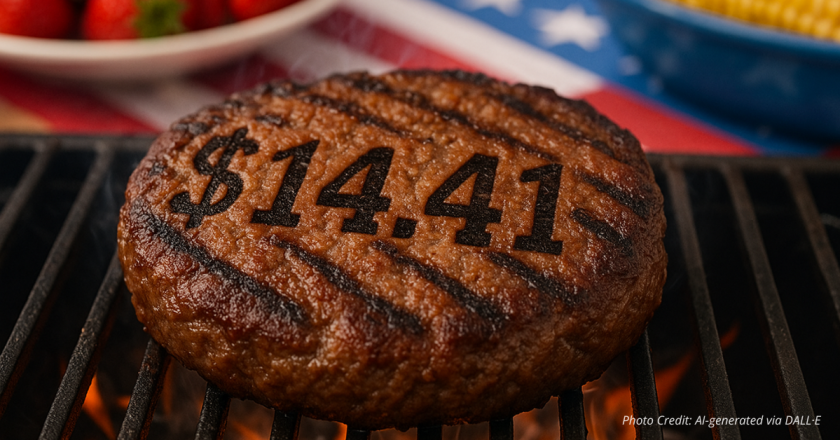
High steaks for Independence Day: Colorado beef costs top national average

By Miguel Otarola | Colorado Hometown Weekly The price of meat ahead of the Fourth of July weekend will be higher in Colorado supermarkets than in the rest of the country, according to an annual industry survey. Produced by the American Farm Bureau Federation, an agriculture lobbying group, the survey found that ground beef and pork chops were more expensive — and chicken breasts were cheaper — in Colorado than in other states. State and national economists attribute the surge in beef prices to fewer cows nationwide, a result of more than a decade of drought that has withered food supplies. “When that number shrinks, you have less calves being born to go down the supply chain and prices rise,” said Nathan DeLay, assistant professor of livestock economics at Colorado S...