Rocky Mountain Voice

Tag: Conservation

Feds Need Different Approach to Colorado River
GregWalcher.com, Approved, Commentary, State

Feds Need Different Approach to Colorado River

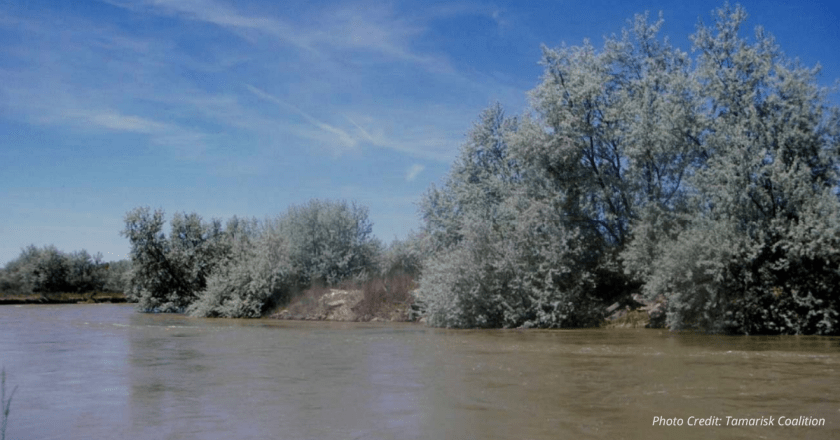
By Greg Walcher | Commentary, GregWalcher.com This month’s withdrawal of President Trump’s nominee to head the Bureau of Reclamation (BOR) provides an opportunity, not just for a new nominee but for a new approach to the whole Colorado River management mess. It is an opportunity the White House and Interior Secretary Doug Burgum should take very seriously. The nominee’s withdrawal, due to the skepticism of Upper Basin senators, highlighted the deteriorating relationship between BOR and the states. In fact, BOR under Trump has thus far taken essentially the same tack as under Presidents Obama and Biden, namely threatening the states – including those in the Upper Basin – with a federal takeover if they don’t produce an “acceptable” plan to reduce their use of water. As negotiations...
Public Land Policy Should Serve All Users Not Just One Vision
Approved, Commentary, National, The Denver Gazette

Public Land Policy Should Serve All Users Not Just One Vision

By Rachel Gabel | Commentary, The Denver Gazette The Bureau of Land Management is proposing to rescind the Conservation and Landscape Health Rule, which was issued as a final rule last May. The rule, which puts conservation at the same level as other multiple uses like recreation, mineral extraction, grazing, and energy development, came out of the Joe Biden administration and earned fierce opposition. It would have allowed the well-funded who are opposed to, for example, grazing, to gather BLM leases and “conserve” the land by rejecting all other multiple uses. This flies in the face of the statute set forth by the Federal Land Policy and Management Act of 1976, FLPMA, that charges the BLM with regulating the “use, occupancy, and development” of public lands in accordance with the p...
Colorado River faces new threat as zebra mussels take hold
Fox31, Approved, State

Colorado River faces new threat as zebra mussels take hold

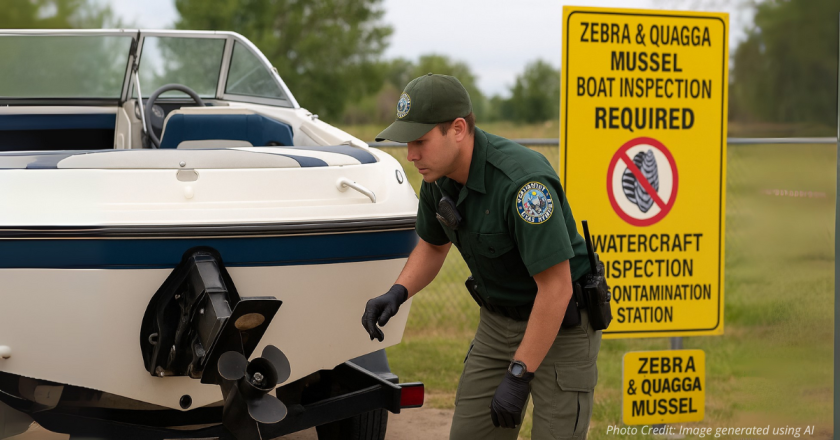
By: Spencer Kristensen | FOX31 KDVR DENVER (KDVR) — Colorado Parks and Wildlife officially declared a portion of the Colorado River as “infested” with invasive zebra mussels after sampling detected adult zebra mussels in the river and another nearby lake in Grand Junction, CPW announced in a press release on Monday afternoon. “While this is news we never wanted to hear, we knew this was a possibility since we began finding veligers in the river,” said CPW Director Jeff Davis in the press release. “I can’t reiterate this enough. It was because we have a group of individuals dedicated to protecting Colorado’s water resources that these detections were made.” On Aug. 28, the Aquatic Animal Health Lab suspected veligers, the microscopic larval stage of zebra mussels, were collected fr...
Shoshone Water Rights Could Bolster Fish, Wildlife and Recreation on Colorado River
State, Approved, The Colorado Sun

Shoshone Water Rights Could Bolster Fish, Wildlife and Recreation on Colorado River

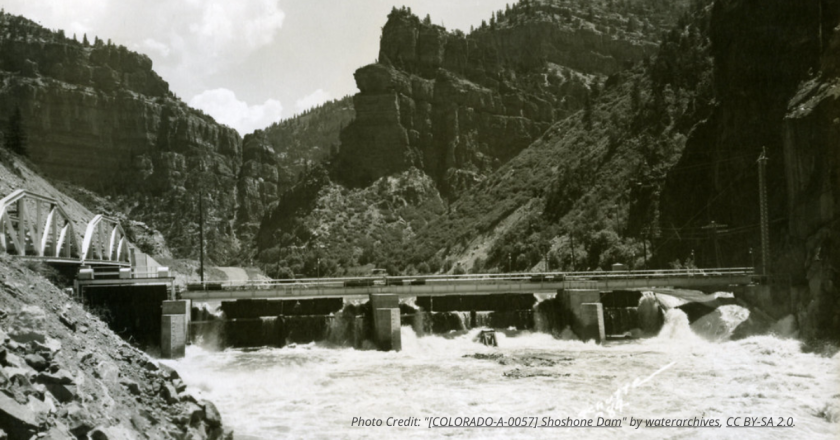
By Shannon Mullane | The Colorado Sun Allowing the state to use Shoshone’s water rights to help the environment could save fish and improve the aquatic environment, according to state studies. Colorado water officials will gather in Durango this week to decide whether a pair of powerful Colorado River rights can be used to benefit the environment.  The Colorado River District, supported by a broad Western Slope coalition, has entered into a $99 million agreement with Xcel Energy to buy two key water rights tied to Shoshone Power Plant, located on the Colorado River near Glenwood Springs. Part of the deal is to add a newly approved use to the existing water rights: keeping water in the river to help the aquatic ecosystem.  That environmental use, called an in-stream flow ri...
Federal Investigation Finds Vehicle Likely Killed Colorado Wolf
State, Approved, The Colorado Sun

Federal Investigation Finds Vehicle Likely Killed Colorado Wolf

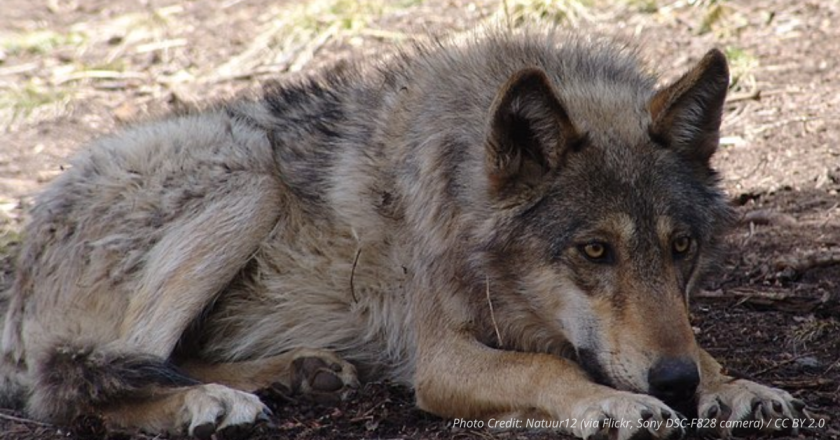
By: Olivia Prentzel | The Colorado Sun The male wolf was found dead in northwestern Colorado after Colorado Parks and Wildlife said it received a mortality signal from the wolf’s collar May 31 A Colorado gray wolf that died in May was likely struck by a vehicle, wildlife officials said Tuesday. Following a necropsy, investigators with the U.S. Fish and Wildlife Service determined the wolf died from blunt force trauma. The wolf, wearing tracking collar 2507, was one of the 15 animals captured in British Columbia and released in Pitkin and Eagle counties in January. The wolf was found in northwestern Colorado after Colorado Parks and Wildlife said it received a mortality signal from the wolf’s collar May 31.  Because gray wolves are listed as endangered ...
Smoke and ash drive Colorado’s animals to the edge of survival
Summit Daily, Approved, State

Smoke and ash drive Colorado’s animals to the edge of survival

By Allisyn Capel | Summit Daily With wildfires raging across Colorado amid extreme drought conditions, the state's inhabitants -- human and wildlife alike -- are bracing for impacts. On Friday, Aug. 22, around 207,500 acres were burning across the state in 17 fires. The vast majority of this acreage is attributed to nine large fires on the Western Slope. "Wildfires can have significant negative impacts to the landscape, wildlife and homes," said Brad Banuli, Colorado Parks and Wildlife's northwest region senior terrestrial biologist. In the last month, wildfires have prompted Parks and Wildlife to evacuate hundreds of native trout from the Stoner Mesa Fire in the San Juan Mountains, monitor a variety of wildlife species and habitats, and alter fall hunts for certain bear, elk and ...
Walcher: Colorado River drought studies blame climate change, not federal land mismanagement
GregWalcher.com

Walcher: Colorado River drought studies blame climate change, not federal land mismanagement

By Greg Walcher | Commentary, GregWalcher.com Here is a late-breaking flash from a new study released last month at the University of Arizona: westerners use too much water. Pete Seeger’s 1960s folk standard, “Where Have All the Flowers Gone,” is in the Grammy Hall of Fame, made a genuine classic through cover versions by the Kingston Trio; Peter, Paul and Mary; Joan Baez; and at least 50 others. It is often quoted, generally out of context, as will be the case here, because of the line closing each stanza, “When will they ever learn.” I hear it occasionally in arguments about endangered species, as in, “Where have all the flowers gone, young girls picked them, every one.” I think of it more in connection with these never-ending “studies” about the Colorado River, how much more wa...
Rep LaMalfa takes aim at Endangered Species Act: ‘Species of the week’ halting real conservation
Approved, DC News Now, National

Rep LaMalfa takes aim at Endangered Species Act: ‘Species of the week’ halting real conservation

By Maddie Biertempfel | DC News Now WASHINGTON (NEXSTAR) – Recovering animals that are nearing extinction, like the black-footed ferret, was the whole point of the 1973 Endangered Species Act but some lawmakers say it needs to be reformed. “Is the program working as designed 50 years ago?'” Rep. Doug LaMalfa (R-Calif.) asked. “No, it’s been interpreted way beyond that, where it isn’t just the species, but they want to have every ounce of possible habitat as they determine is critical habitat.” California Republican Congressman Doug LaMalfa says the law has hindered new infrastructure and doing things like controlled burns, aimed at preventing larger fires and ultimately helping habitats. “Instead, like in forestry, we end up with million-acre fires, 500,000-acre fires year afte...